Background
This project will incorporate and align all existing plans and studies into a single, comprehensive plan. This plan will provide a cohesive philosophy to guide staff, inform decisions, and incorporate resiliency and climate adaptation strategies as key elements in future decision-making and design.
Get Involved
The goal of the City of Ann Arbor comprehensive stormwater management plan public engagement is to gather input, raise awareness, and build support for Ann Arbor’s stormwater management initiatives as well as to help in the reprioritization of existing level of service principles, as this needs to be a plan that guides the future growth and advancement for all residences of Ann Arbor.
The City and its consulting team will provide various ways to engage with the plan including: public meetings, working groups, and presentations.
City-Wide Survey
Outreach & Education
Image 1 of 13
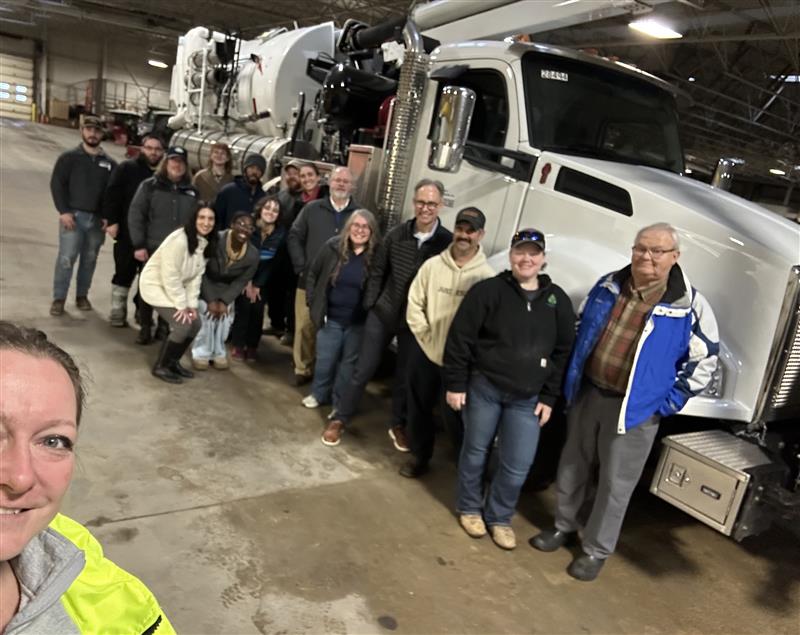

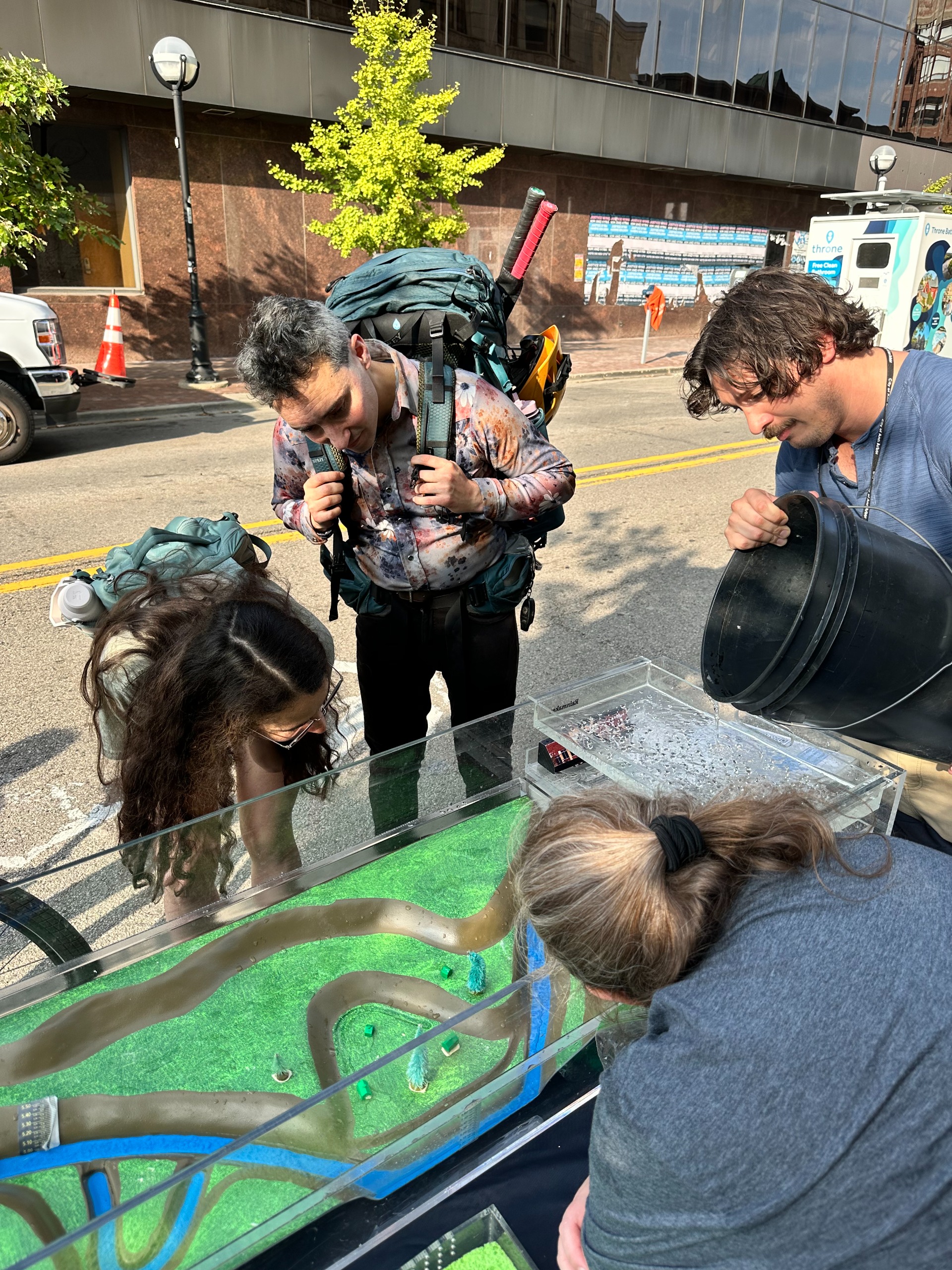
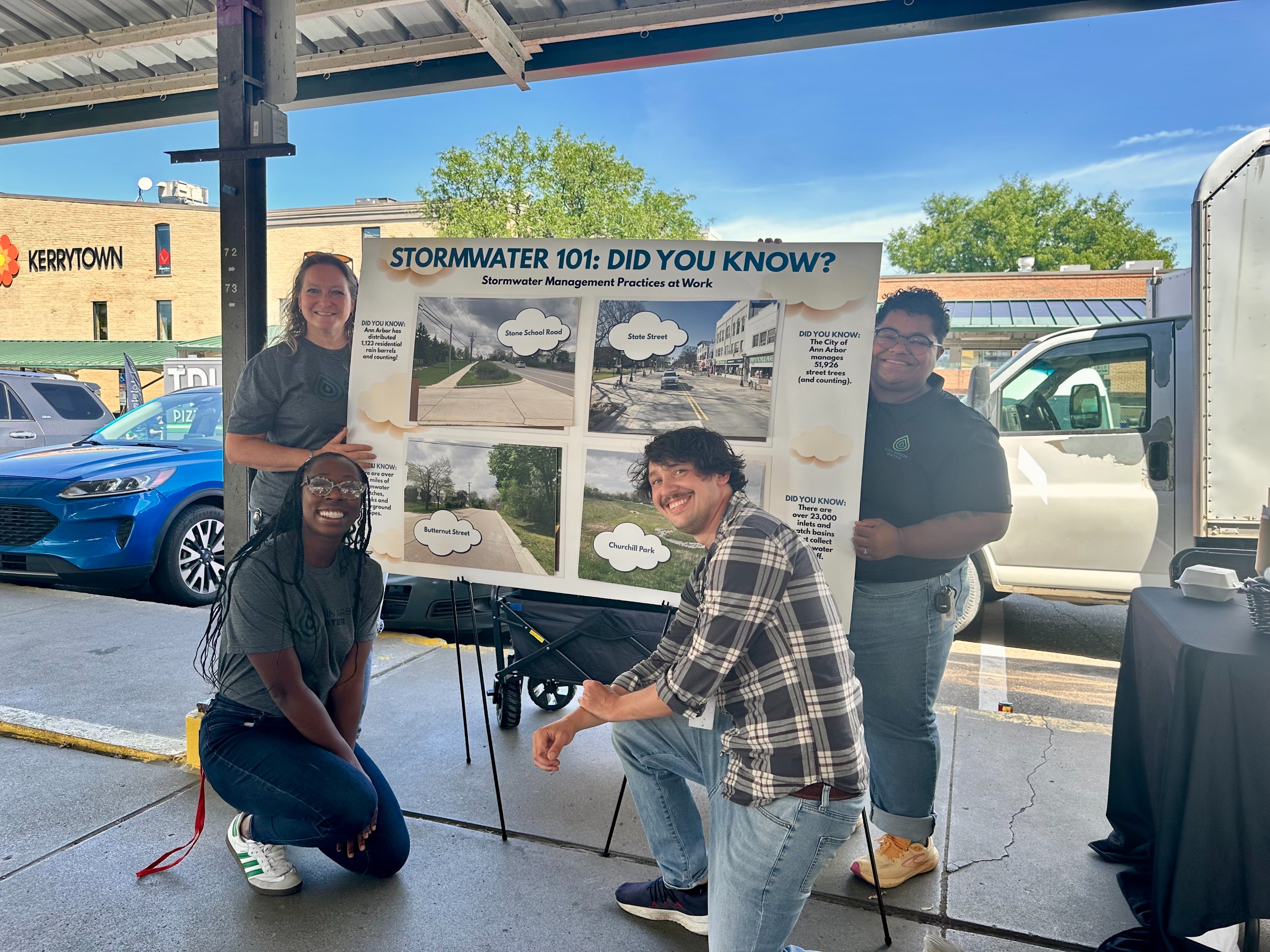
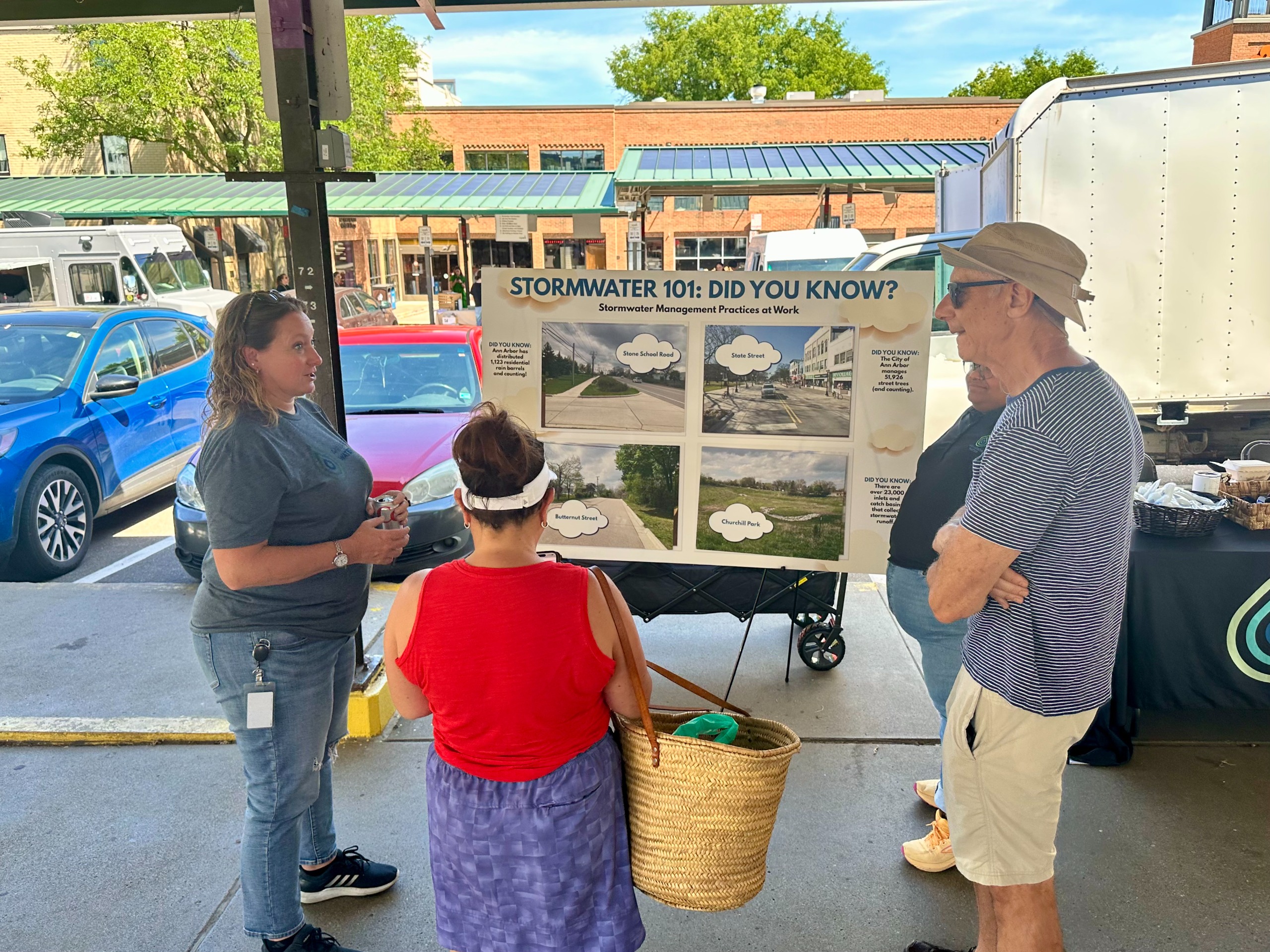

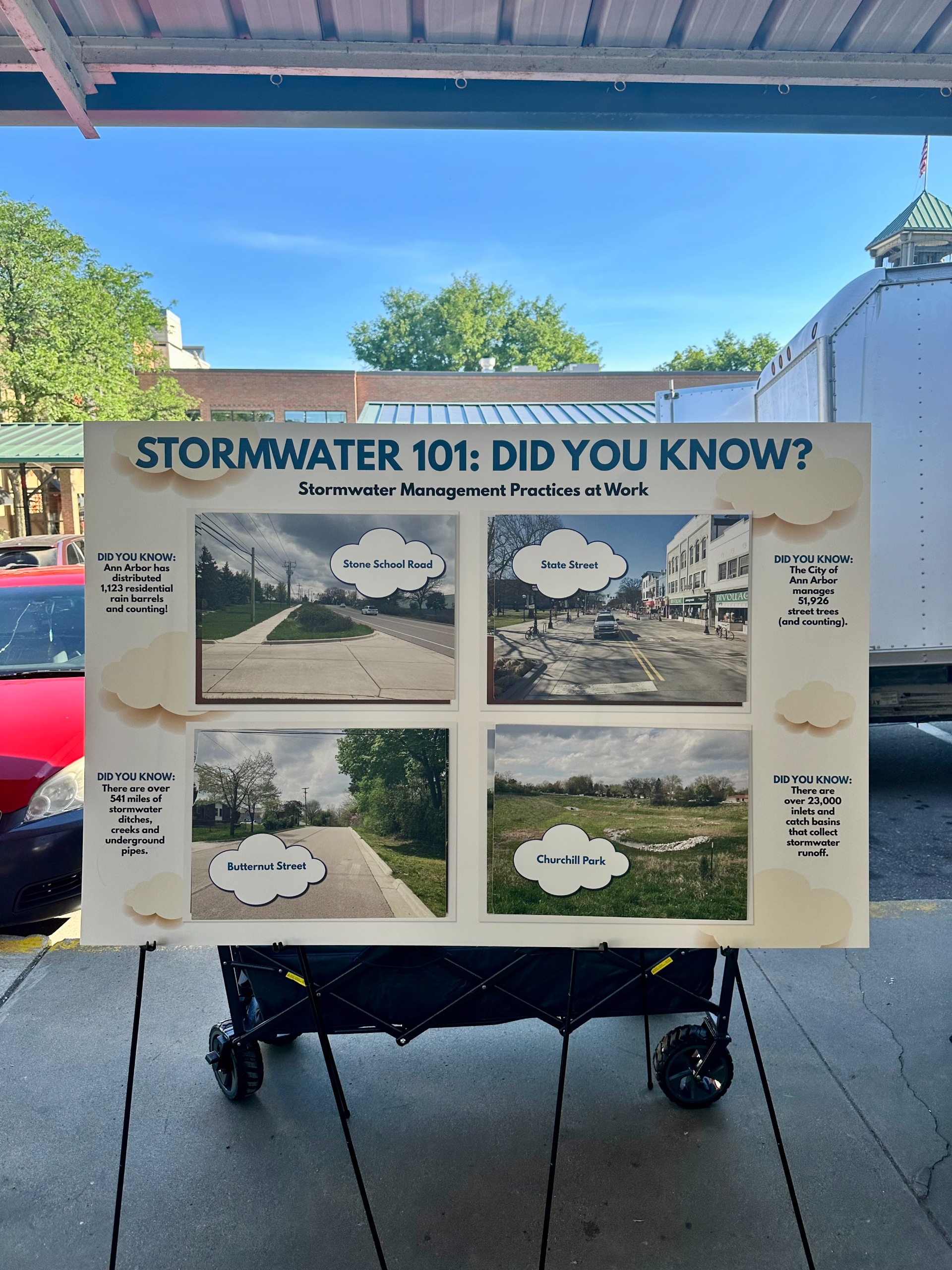


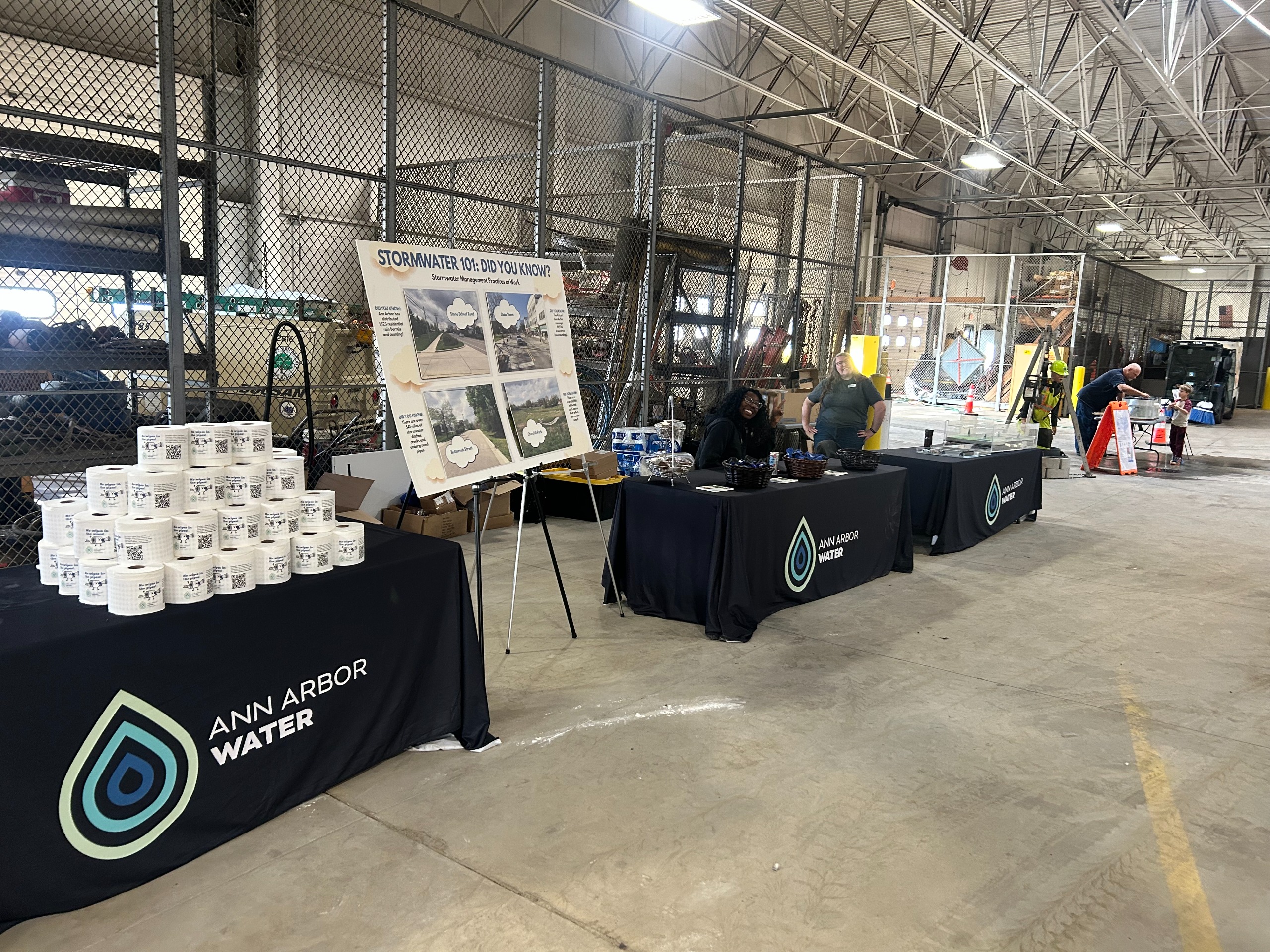


Focus Groups
City staff held focus groups with neighborhood associations on Oct. 30, 2025 and with businesses, commercial real estate and/or developers on Nov. 18, 2025 to gather insights, experiences, and feedback to help guide policies and solutions that create a more resilient, equitable, and sustainable stormwater system for individually owned property and the wider community. The City also held discussions with Ann Arbor Public Schools on Dec. 22, 2025 and with the University of Michigan on Jan. 12, 2026 to gain an understanding of their long-term planning efforts, ongoing initiatives, and future priorities.
Meeting summaries have been prepared for these discussions:

Storm Water Advisory Group (SWAG)
The Stormwater Advisory Group (SWAG) is formed of governmental and non-governmental partners who are responsible for and interested in the physical assets, impacts, and outcomes of this project. The SWAG will provide guidance on the stormwater design and engineering opportunities and limitations as it pertains to their focus area. The SWAG is comprised of representatives from the following groups:
- Ann Arbor Schools
- Downtown Development Authority
- Environmental Commission
- GLISA
- Huron River Watershed Council and the Allen Cree and Malletts Creek Watershed groups
- Parks Advisory Commission
- Planning Commission
- Private developers, renters and homeowners
- SEMCOG
- The University of Michigan
- Washtenaw County Water Resources
January 29, 2025
April 2, 2025
June 11, 2025
August 13, 2025
October 8, 2025
January 14, 2026
March 11, 2026
Learn More
The city is developing a comprehensive stormwater plan that combines existing plans and studies into a single, coordinated strategy. These include the city’s hazard mitigation plan, climate adaptation strategies, watershed planning efforts, localized drainage studies and the 2017 Level of Service Study.
The plan will guide staff, inform decision-making and support stormwater design.
It will be the first plan of its kind in Michigan and the Great Lakes region. It will incorporate resilience into stormwater management, addressing both short-term events and long-term planning.
The goal is to create a clear, strategic path forward for the city’s stormwater management efforts.
- Document the city’s current stormwater management practices to inform future improvements.
- Build on existing successful programs, including tree canopy initiatives and stormwater utility enforcement.
- Develop a plan to address current and future challenges — such as climate change, funding, social equity and water quality — while aligning resilience strategies with the A2ZERO plan.
- Maintain the city’s role as a regional and national leader in stormwater management and water quality.
- Incorporate stakeholder input throughout the planning process to help shape the city’s stormwater future.
Educational Videos
Ann Arbor Stormwater, Explained!
Helpful Visuals
Ann Arbor's Stormwater Infrastructure

Ann Arbor's stormwater system was developed over 100 years ago to meet the needs of a smaller, drier city. Precipitation in Ann Arbor has increased more than 45% over the past 50 years, which amounts to more than 40 University of Michigan “Big House” football stadiums worth of additional water every year draining into the Huron River.
Rainfall that lands on rooftops, lawns, farms and pavement picks up whatever debris and pollutants may reside there and runs into creeks, streams, rivers and lakes. Studies of stormwater outflows have revealed concentrations of heavy metals such as dissolved copper and zinc at levels exceeding acute and chronic toxicity criteria.
Our mission is to help prevent contaminated stormwater run-off from polluting the Huron River. We work with local partners such as the Washtenaw County Water Resources Commissioner, Huron River Watershed Council and University of Michigan Environment, Health & Safety, to protect the environment, preserve and improve the quality our city’s primary source of drinking water, and ensure the beauty of the Huron River so it continues to be enjoyed today and for generations to come.